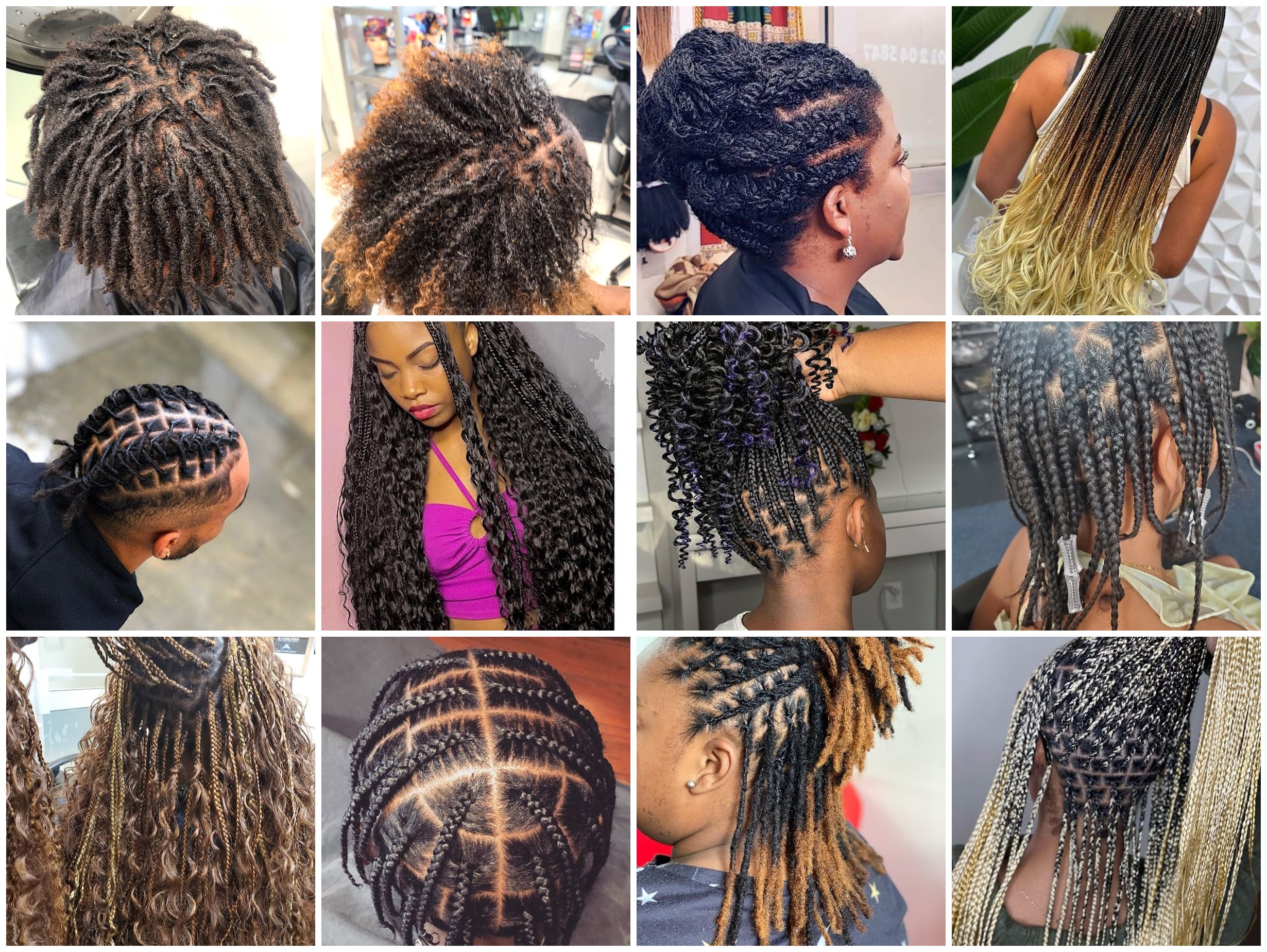
Edge Care 101: How to Protect Your Hairline While Wearing Braids or Locs
How to Keep Your Edges Healthy While Wearing Protective Styles
Your edges are the most fragile part of your hairline and the most visible. Once they are damaged, growing them back takes months of patience and care. At Aminata Hair Designs in Laurel, MD, we have worked with countless clients who have struggled with edge thinning, balding patches, and traction-related hair loss. Most of it is preventable.
Why Your Edges Are So Vulnerable
The hair at your hairline is finer and thinner than the rest of your hair. It has smaller follicles that are more easily damaged. It faces more daily friction from scarves, headbands, and your hands. It receives constant tension when hair is pulled back. And it is typically the last to grow back after damage occurs.
This combination makes edges incredibly sensitive to repeated stress.
The Number One Cause of Edge Damage
The biggest enemy of healthy edges is tension. This comes from tight braids and twists at the hairline, frequent tight ponytails or buns, tight wig adhesives or sew-ins, aggressive brushing or combing, and pulling edges into shapes with edge control every single day.
Even small amounts of repeated tension over months and years causes traction alopecia, a real diagnosable form of hair loss caused by chronic pulling. The good news is that it is almost always preventable.
How to Prevent Edge Damage From Braids and Locs
Tell your stylist immediately if your braids feel too tight. A great stylist welcomes that feedback and we never want our clients to leave in pain. Do not go too small at the hairline because larger sections distribute weight better. Avoid sculpting your baby hairs with edge control every single day. Edge control once or twice a week is fine but daily slicking with strong product damages the follicles over time. Do not pull braids into tight styles right after install. Wait at least one week before putting your hair into ponytails, and then alternate so you are not pulling in the same direction every day. Sleep with your edges protected using a silk scarf gently tied over your edges at night or a satin bonnet.
How to Protect Edges Under a Wig
Wigs can be especially hard on edges. Use lace adhesive that is safe for sensitive skin and remove it gently. Do not apply glue directly to your skin. Take wig breaks every two to three weeks. Choose glueless installs when possible. Avoid daily wig application on the same edge area to give the skin time to rest.
A Daily Edge Care Routine
In the morning, apply a small amount of light oil massaged into the edges. Avoid heavy edge control with synthetic ingredients. Brush gently with a soft baby brush.
At night, tie a silk scarf gently without pulling tight. Apply a light oil before bed. Let your edges rest without product buildup.
Weekly, give yourself a scalp massage to stimulate circulation. Use a diluted rosemary or peppermint oil mix to support growth. Avoid harsh chemicals near the hairline.
Products That Support Edge Health
Look for products containing castor oil especially Jamaican black castor oil, rosemary oil which has clinical support for hair growth, peppermint oil to stimulate circulation, and aloe vera to soothe the scalp.
Avoid products with heavy silicones near the scalp, drying alcohol, mineral oil that causes buildup, and harsh fragrances that irritate.
Signs of Edge Damage to Watch For
Catch damage early by watching for a thinning or wispy hairline, bald spots at the temples, headaches after braid installs which is a sign it was too tight, tenderness along the hairline, small bumps at the follicles known as traction folliculitis, and hair that keeps breaking off at the same spot.
If you notice any of these, take a break from tension styles immediately and focus on recovery.
Can You Reverse Edge Damage
In most cases, yes, if caught early. Stop the tension immediately. Massage daily with growth oils. Wear loose, low-tension styles for three to six months. Take a multivitamin with biotin, iron, and zinc. And be patient because edges grow back slowly.
In severe cases of traction alopecia, see a dermatologist who can help with treatments beyond what topical products can do.
How We Protect Your Edges at Aminata Hair Designs
When you sit in our chair, we listen if you say something feels too tight. We never braid the hairline too small or too tight. We use feed-in techniques that reduce tension. We talk honestly about edge health before recommending styles. And we educate you on aftercare so your hairline stays healthy for life.
Learn more about our approach on our About page.
Book Your Appointment
📍 Visit us: 13400 Baltimore Avenue, Laurel, MD 20707 📞 Call or text: (301) 204-5847 💻 Book online: aminatahairdesign.com/booking
