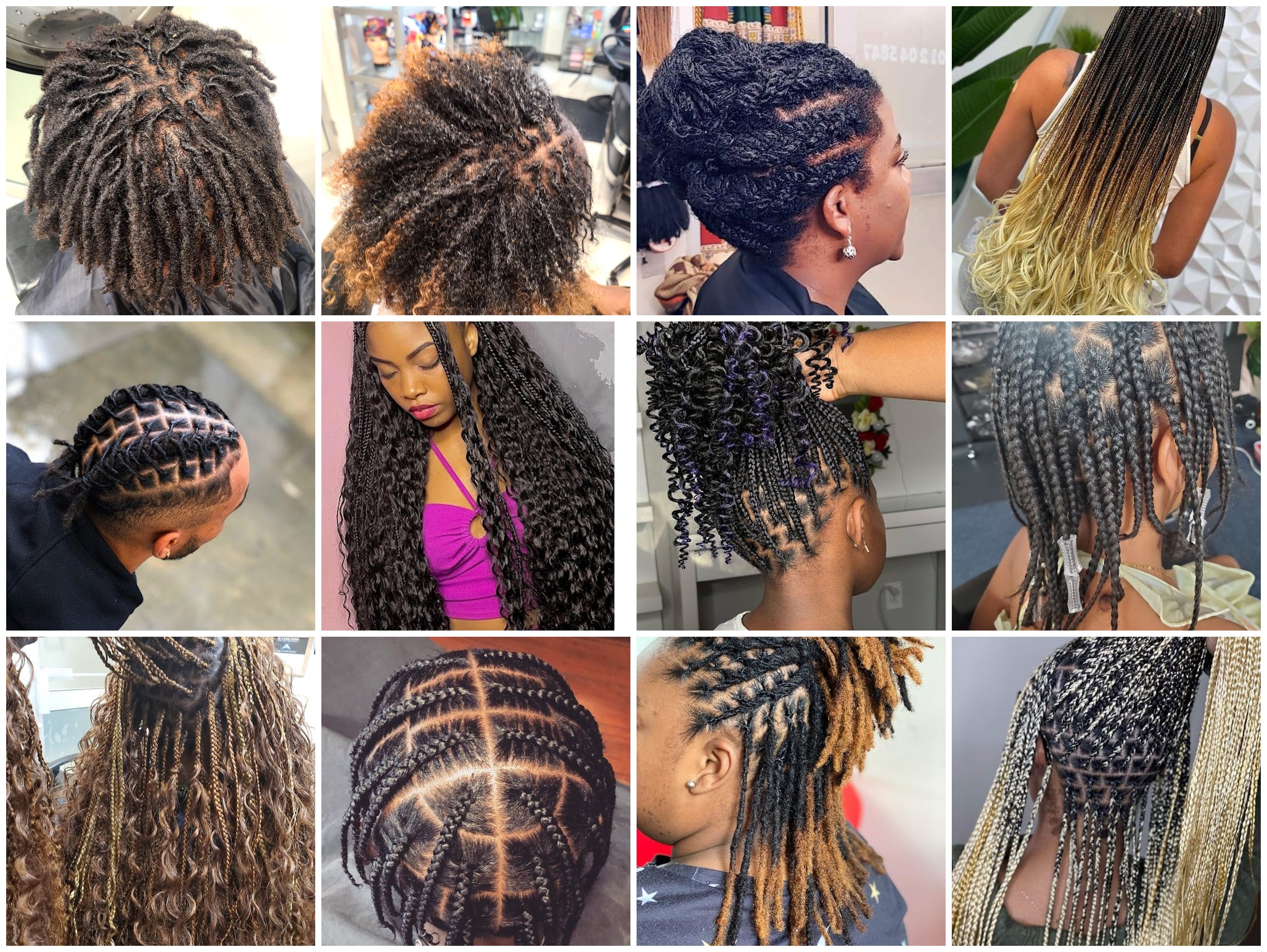
Scalp Care for Braided Hair: How to Stop Itchiness and Buildup Between Appointments
How to Keep Your Scalp Healthy Under Braids and Locs
One of the most common complaints we hear at Aminata Hair Designs in Laurel, MD is the itchy, irritated scalp that sometimes comes with wearing braids, locs, or other protective styles. The good news is that it is almost always preventable and treatable once you understand what is causing it.
Why Your Scalp Itches Under Braids
New hair installs. Fresh braids stretch the scalp slightly. The mild tension can cause itching for 24 to 72 hours after install. This is normal and goes away on its own.
Dry scalp. Without daily oils reaching the scalp directly, the skin underneath braids can become dry and itch as a result.
Product buildup. Heavy oils, gels, and edge controls accumulate on the scalp over weeks and irritate it.
Sweat and dirt. Even hair tucked away in braids accumulates sweat, dirt, and oil. A dirty scalp itches.
Synthetic hair sensitivity. Some clients react to chemicals on synthetic braiding hair. This is more common than people realize.
Mild scalp conditions. Dandruff, seborrheic dermatitis, or psoriasis can flare up under protective styles when the scalp is covered for weeks.
Quick Relief for an Itchy Scalp
For immediate relief, try a tea tree oil mix with a few drops of tea tree oil mixed with jojoba or grapeseed oil applied directly to itchy spots. An apple cider vinegar rinse using two tablespoons mixed with one cup of water poured over the scalp and rinsed after five minutes helps too. Peppermint oil diluted in a carrier oil provides a cooling and soothing effect. Witch hazel toner dabbed onto itchy areas with a cotton ball reduces irritation. And aloe vera juice lightly misted onto the scalp calms inflammation.
How to Prevent Itchy Scalp From the Start
Before your braid appointment, soak your braiding hair in apple cider vinegar mixed with water for twenty minutes, then rinse and air dry. This removes the alkaline coating on synthetic hair that causes many sensitivities. Do not apply heavy products to your hair right before getting braids. And make sure your scalp is clean when you arrive.
During wear, wash regularly every two to three weeks. Use a residue-free shampoo diluted with water. Spritz with a hydrating mix between washes. And avoid heavy oils that build up on the scalp.
The Right Way to Wash Braids
Many people avoid washing because they worry about ruining their style. But an unclean scalp is the number one cause of irritation and itch. Here is the proper method.
Mix shampoo with water in an applicator bottle at about a fifty-fifty ratio. Section your hair into four parts. Apply the shampoo mix directly to the scalp in each section. Massage gently with fingertips and never your nails. Rinse thoroughly making sure no residue is left. Optionally do an apple cider vinegar rinse for extra clarification. Air dry as much as possible, then sit under low heat to finish.
Never sleep with wet braids. That is how mildew develops and creates the worst smell you can imagine.
The Synthetic Hair Sensitivity Fix
Many people do not realize that synthetic braiding hair is treated with chemicals that can irritate the scalp. The most common culprits are alkaline coatings, dyes and pigments, and synthetic textile finishes.
The apple cider vinegar soak is the fix. Before your appointment, soak your braiding hair packs in one cup apple cider vinegar and two cups warm water for about twenty minutes. Then rinse and air dry completely. This neutralizes the alkaline coating and removes most chemical irritants.
If you have never done this, try it for your next install. You may discover that your scalp sensitivity was actually a reaction to the hair itself.
Daily Habits That Keep Your Scalp Healthy
Spritz with a water-based mix two to three times a week. Apply light oil to the scalp such as jojoba, grapeseed, or rosemary oil. Massage the scalp for one to two minutes daily. Avoid touching braids all day because this transfers oils and dirt from your hands. Sleep with a satin bonnet every night.
When to See a Professional
Most scalp issues clear up with consistent care. But contact a dermatologist or trichologist if the itch persists despite good care habits, if you see flaking, redness, or scaling, if you develop bumps or pustules, if your hair is falling out in patches, or if you have burning or unusual pain.
When to Take Your Braids Out Early
Sometimes the only fix is removing the style before the full wear time. Take out your braids immediately if the itching is severe and constant, if you develop large painful bumps, if you notice unusual hair shedding, if your scalp has open sores or scabbing, or if there is an unusual smell that does not go away after washing.
It is not worth the damage. Your next style will be better on a healthy scalp.
Our Approach at Aminata Hair Designs
At our Laurel salon, scalp health is always part of the conversation. We assess your scalp at every appointment. We use clean products that do not aggravate sensitive scalps. We teach proper aftercare to prevent problems. We never braid too tight. And we are honest if your hair needs a different approach.
You can book a consultation any time you want a professional assessment of your scalp health.
Book Your Appointment
📍 Visit us: 13400 Baltimore Avenue, Laurel, MD 20707 📞 Call or text: (301) 204-5847 💻 Book online: aminatahairdesign.com/booking
